
symbolic.chickadee.phgo
About Company
Master Sudoku Skills With Logic, Focus, and Daily Practice
Sudoku is one of the most popular number puzzles in the world. Millions of people enjoy Sudoku every day because it combines entertainment, concentration, and logical thinking. Unlike many other games, Sudoku does not require advanced mathematics. Success comes from observation, analysis, and patience.
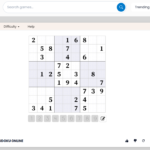
The puzzle appears simple at first glance. A standard Sudoku grid contains nine rows, nine columns, and nine smaller boxes. The objective is to fill every empty space with numbers from 1 to 9 while following specific rules. Although the concept is straightforward, the challenge increases as difficulty levels rise.
Many players choose Sudoku as a daily mental exercise. Regular practice can improve attention, memory, and problem-solving abilities. For this reason, Sudoku remains a favorite activity among students, professionals, and retirees.
Understanding the Basic Rules of Sudoku
Before solving a puzzle, it is important to understand the foundation of Sudoku.
The Structure of the Grid
A standard Sudoku puzzle contains 81 cells arranged in a 9×9 format. These cells are divided into nine smaller 3×3 boxes. Some numbers are already placed in the grid, providing clues for the solution.
Each row must contain the numbers 1 through 9 without repetition. The same rule applies to every column. In addition, each 3×3 box must also contain all numbers from 1 through 9 exactly once.
The Goal of the Puzzle
The objective is to complete the entire grid while respecting all Sudoku rules. Every number placement must fit within the row, column, and box simultaneously.
Players cannot guess randomly if they want consistent success. Logical deduction is the key to finding correct answers.
Why Sudoku Remains Popular Around the World
Sudoku continues to attract players of all ages and backgrounds. Several factors contribute to this lasting popularity.
Easy to Learn
The rules are simple and can be understood within minutes. Even beginners can start solving basic puzzles without extensive preparation.
Challenging at Every Level
Sudoku offers different difficulty levels ranging from beginner to expert. This flexibility allows players to progress gradually while continuously improving skills.
Accessible Anywhere
People can enjoy Sudoku in newspapers, books, websites, and mobile applications. The puzzle requires minimal equipment and can be played almost anywhere.
Suitable for All Ages
Children can develop logical thinking through easier puzzles, while adults can challenge themselves with advanced grids. This universal appeal helps maintain strong interest across generations.
Effective Strategies for Solving Sudoku
Many beginners struggle because they attempt to fill numbers too quickly. A structured approach often produces better results.
Start With Obvious Numbers
Look for rows, columns, or boxes that already contain many numbers. These areas provide the easiest opportunities to identify missing values.
When only one number can fit into a particular cell, the solution becomes clear. Filling these obvious positions creates momentum for the rest of the puzzle.
Scan Rows and Columns
Scanning is one of the most valuable Sudoku techniques. Examine each number individually and determine where it can legally appear.
For example, if several positions are already occupied by the number 5, the remaining location often becomes easier to identify.
Use Candidate Numbers
When a solution is not immediately visible, players can write possible numbers for empty cells. These candidates help organize information and reveal hidden patterns.
As more cells become filled, incorrect candidates can be eliminated, leading to the correct answer.
Focus on One Section at a Time
Trying to solve the entire grid simultaneously can become overwhelming. Concentrating on a specific box, row, or column often improves accuracy and efficiency.
Advanced Techniques for Difficult Sudoku Puzzles
Experienced players frequently encounter puzzles that require deeper analysis.
Naked Pairs
A naked pair occurs when two cells within a row, column, or box contain the same two possible numbers. Since those numbers must occupy those positions, they can be removed from other candidate lists within the same area.
Hidden Pairs
A hidden pair exists when two numbers can only appear in two specific cells. Even if those cells contain additional candidates, the pair provides valuable information for solving the puzzle.
X-Wing Pattern
The X-Wing technique involves identifying repeating candidate positions across rows and columns. This method helps eliminate possibilities and unlock difficult sections of the grid.
Logical Elimination
Advanced Sudoku often depends on systematic elimination rather than direct placement. Careful analysis allows players to narrow possibilities until a single solution remains.
Benefits of Playing Sudoku Regularly
Sudoku offers more than simple entertainment. Consistent practice can support several cognitive abilities.
Improved Concentration
Solving puzzles requires sustained attention. Regular Sudoku sessions can strengthen the ability to focus on complex tasks for longer periods.
Better Problem-Solving Skills
Every Sudoku puzzle presents a unique challenge. Players learn to analyze information, identify patterns, and develop logical solutions.
Mental Stimulation
Many people use Sudoku as a form of mental exercise. Engaging the brain regularly can help maintain cognitive activity and sharp thinking.
Stress Reduction
Focusing on a puzzle can provide a temporary break from daily concerns. The structured nature of Sudoku creates a calming and rewarding experience for many players.
Common Mistakes Made by Beginners
Understanding common errors can accelerate improvement.
Guessing Without Evidence
Random guessing often creates contradictions later in the puzzle. Logical reasoning should guide every move.
Ignoring Candidate Notes
Candidate numbers provide valuable clues. Skipping this step can make complex puzzles significantly harder.
Working Too Quickly
Rushing increases the likelihood of mistakes. Taking time to verify each placement improves overall accuracy.
Overlooking Simple Opportunities
Many players immediately search for advanced techniques while missing obvious solutions. Basic scanning and elimination should always come first.
How to Improve Sudoku Performance
Progress comes through consistent practice and gradual learning.
Start with easy puzzles and focus on understanding fundamental techniques. Once confidence increases, move to medium and difficult levels. Reviewing completed puzzles can also reveal patterns and strategies that were previously overlooked.
Online Sudoku platforms often include hints, tutorials, and difficulty ratings. These resources can support learning and provide valuable feedback during the improvement process.
Patience is another important factor. Even experienced players encounter challenging puzzles that require time and persistence. Maintaining a calm and analytical mindset often leads to success.
Conclusion
Sudoku remains one of the most engaging logic puzzles available today. The combination of simple rules and deep strategic possibilities creates an experience that appeals to players around the world. Whether solving a quick beginner puzzle or tackling an expert-level challenge, Sudoku offers valuable opportunities to strengthen concentration, logical reasoning, and problem-solving skills.
With regular practice and the right techniques, anyone can improve performance and enjoy the satisfaction of completing increasingly difficult puzzles. Sudoku is more than a game of numbers. It is a rewarding mental workout that continues to inspire and challenge millions of players every day.